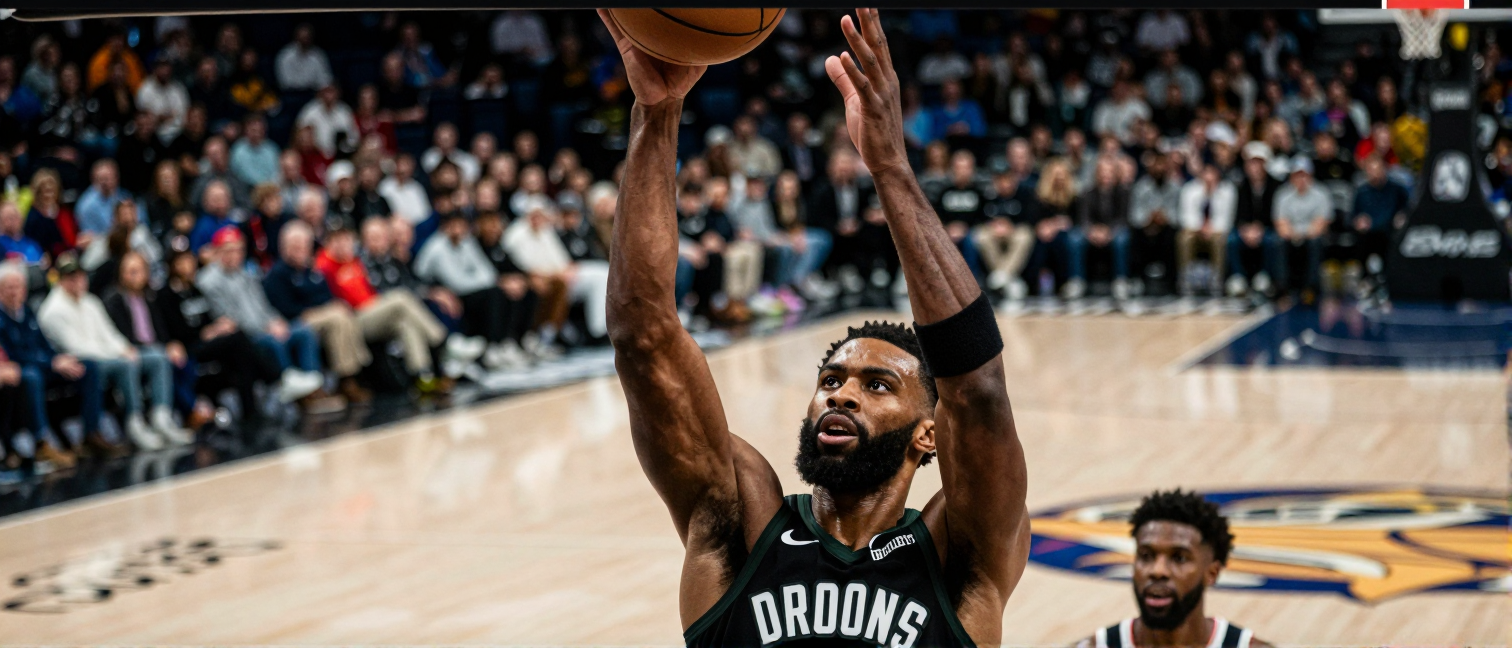
Jaylen Brown was dealt to the Philadelphia 76ers on July 9, 2026, a move Celtics president Brad Stevens says reflects the NBA’s tightening salary‑cap landscape.
Why did the Celtics trade Jaylen Brown?
Stevens told reporters the collective bargaining agreement forced the Celtics to reconsider a roster built around two 35% cap contracts—Brown’s and Jayson Tatum’s. He noted the team’s “70% of our cap” tied to those two players made depth impossible. The decision, Stevens added, wasn’t about Brown’s talent; it was about preserving flexibility for future roster moves.
How does the trade illustrate a league‑wide issue?
General managers cited Brown’s three‑year, $35 percent‑of‑cap deal as a warning sign. One GM told ESPN’s Tim MacMahon that such a commitment is “hard to tie up unless they’re truly generational.” The league’s new financial era, with super‑max contracts for players like Shai Gilgeous‑Alexander and Nikola Jokić, pushes teams to spread money more evenly. The Celtics’ situation, with both Brown and Tatum consuming a combined 70 percent of the cap, showcases the pressure many franchises now feel.
What did the Celtics receive in return?
Boston secured Paul George, two first‑round picks and two second‑round picks. The package shocked analysts because George’s contract is larger than that of Walker Kessler, who recently moved to the Lakers via a sign‑and‑trade involving the same draft assets. A GM highlighted the disparity, calling it “baffling.” Yet the Celtics prioritized shedding salary over maximizing return, underscoring how cap constraints can dictate trade strategy.
What are the implications for the Celtics and the NBA?
The trade forces Boston to rebuild around a slimmer payroll while still fielding a competitive squad. With Tatum’s contract unchanged, the Celtics must find affordable role players to fill the void left by Brown. For the league, the deal serves as a case study: teams with multiple high‑value contracts may soon face similar dilemmas, prompting a shift toward more balanced salary structures.
What comes next for Jaylen Brown?
Brown joins a 76ers roster that just eliminated Boston in the first round of the playoffs. His 35 percent‑of‑cap deal now sits on a team eager to add depth and veteran leadership. The expectation is that Brown will be featured heavily, as Stevens admitted any team with him “should feature him, you should use all those possessions.” Philadelphia’s next moves will likely revolve around leveraging Brown’s skill set while navigating their own cap considerations.
How will fans react?
Celtics supporters expressed shock on social media, questioning whether the franchise sacrificed a championship window for financial prudence. Meanwhile, Sixers fans celebrated the acquisition, hoping Brown’s scoring and defensive versatility will push Philadelphia deeper into the postseason.
The trade, announced on July 9, 2026, may become a reference point for future discussions about NBA salary‑cap management and the balance between star power and roster depth.