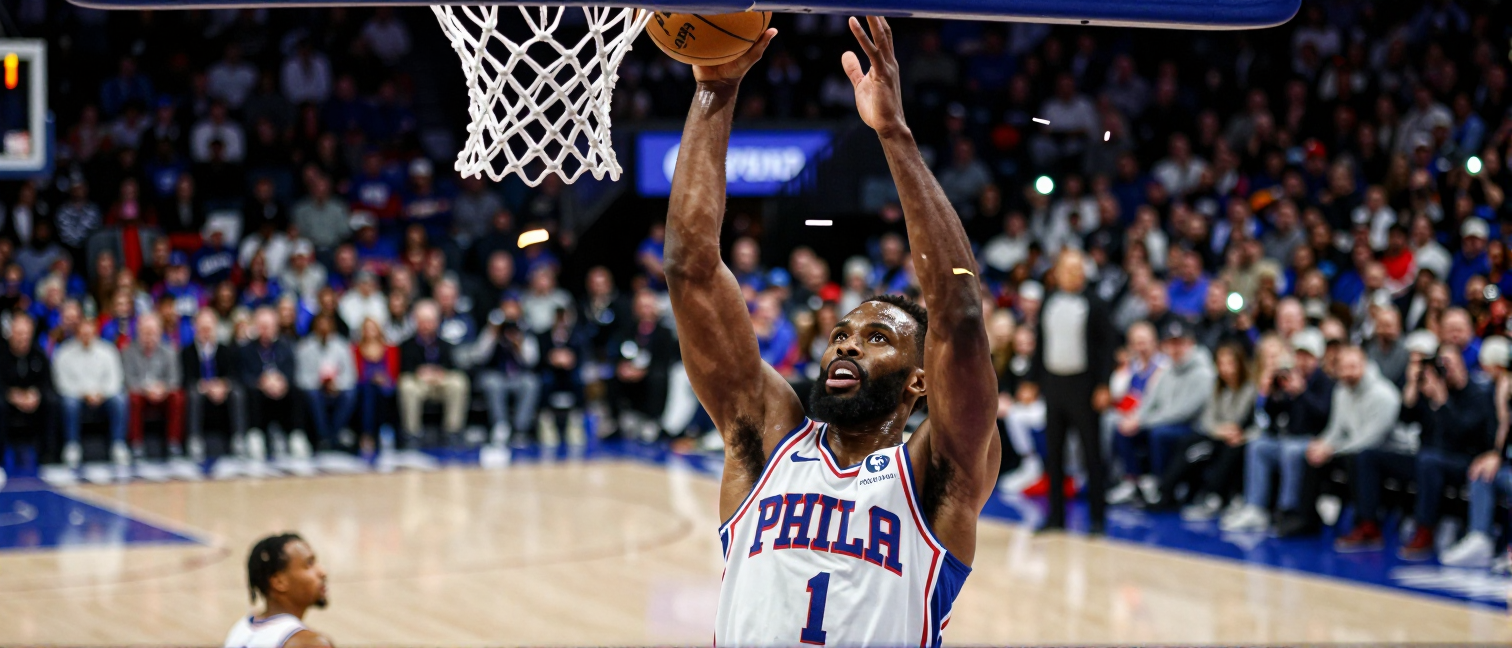
Jaylen Brown was shipped to the Philadelphia 76ers on July 1, a deal that sends Paul George and four draft selections to Boston and, according to CelticsBlog analyst Jake Issenberg, clears a financial logjam that could pave the way for a 19th title.
What exactly happened?
The trade was confirmed by ESPN’s Shams Charania. Boston gave up the 2024 Finals MVP and five‑time All‑Star for a 36‑year‑old George, who arrives on a shorter contract, plus four future picks. The move also means Brown will face his former team six times next season, including a preseason series, and the 76ers were the squad that eliminated Boston from the 2026 playoffs.
Why does Issenberg say it helps Boston?
Issenberg argues the “Jays era” – the Jayson Tatum‑Jaylen Brown duo – had stalled after two early playoff exits. The NBA’s second‑apron salary rules make keeping two supermax contracts nearly impossible. By moving Brown’s $30 million‑plus deal, Boston avoids a penalty that forced them to offload Jrue Holiday, Kristaps Porzingis, Al Horford and Luke Kornet earlier this summer. George’s 38.4% three‑point rate and a projected 28‑minute load fit the Celtics’ managed‑minutes model, giving them flexibility and cap space.
How have fans and media reacted?
Boston fans have spent the week grieving what many call the worst trade in franchise history. *Yahoo Sports* labeled the swap an “atrocious” move, noting George’s age‑related decline versus Brown’s prime. Talk‑radio hosts on 98.5 The Sports Hub echoed the outrage. Even NBC Sports Boston’s Chris Forsberg, while softer, described the fan base’s five‑stage grief and a lingering sense of loss.
What could the future hold for Boston?
If Issenberg’s logic holds, the Celtics will have cleared the second‑apron ceiling and gained four picks to replenish the roster. The flexibility may allow Boston to chase a high‑impact free agent or retain Tatum without a massive luxury‑tax hit. Meanwhile, George’s veteran presence could help Boston stay competitive while the draft assets mature. The real test arrives next season when the Celtics meet the 76ers six times, turning a bitter trade into a series of on‑court matchups that could define the Eastern Conference hierarchy.
What does this mean for Jaylen Brown?
Brown now joins a division rival that eliminated him in the 2026 playoffs, adding personal stakes to every meeting. Philadelphia gains a Finals MVP who can still produce at a high level, but he inherits a team that struggled to get past Boston’s defense. How quickly he adapts to a new system will shape his legacy beyond the Celtics era.
The trade’s ripple effects will be measured in cap space, draft positioning, and head‑to‑head games. Boston’s front office hopes the move unlocks the path to a 19th championship, while Philadelphia bets on Brown’s star power to push them deeper into the postseason.